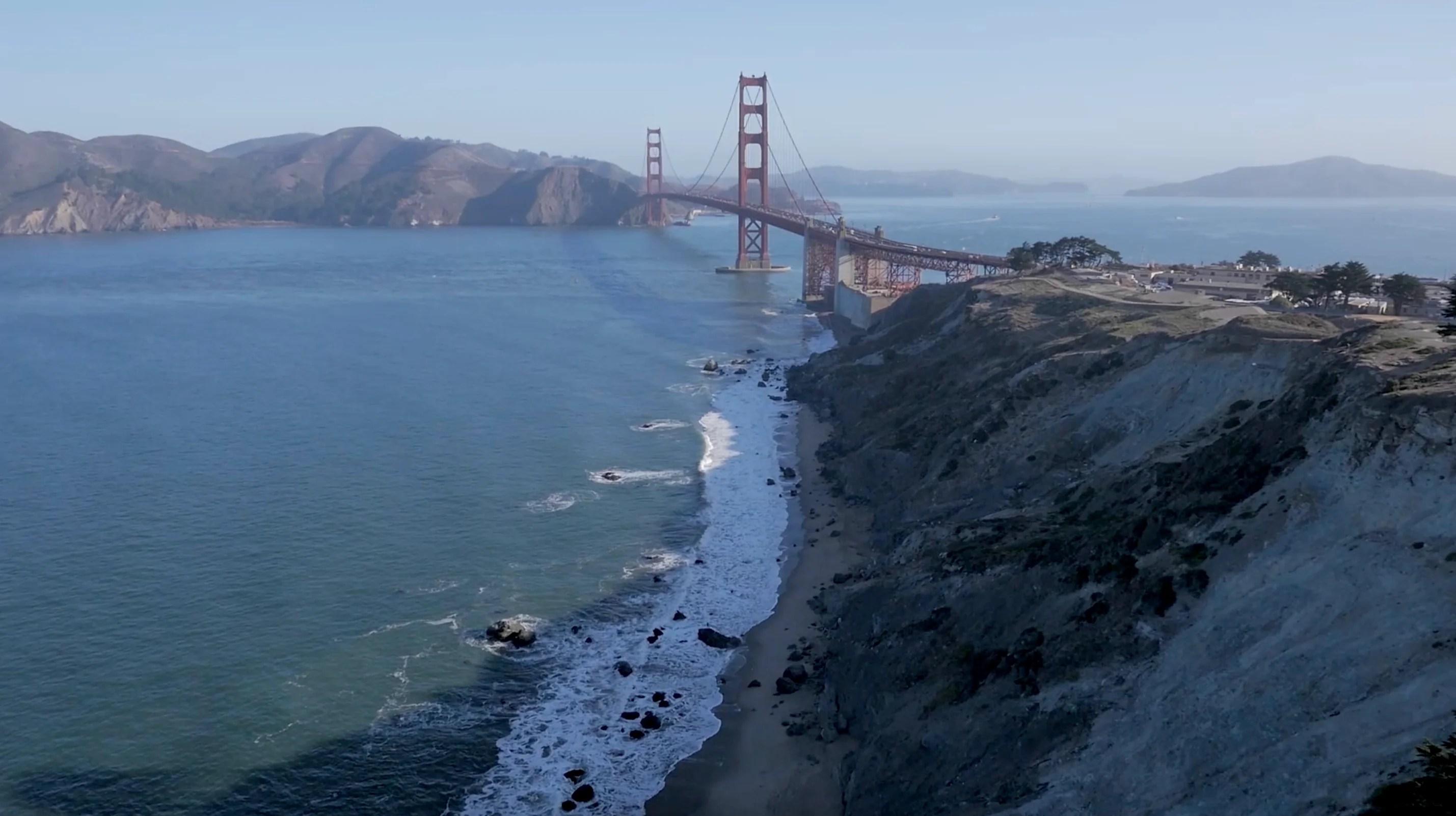
Experience the Presidio
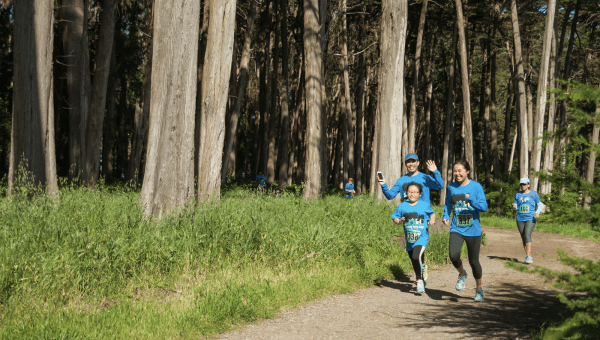
The Presidio is San Francisco’s national park site, with endless trails, fun events, and unforgettable vistas of the Golden Gate Bridge.

Itineraries
Find trails, beaches, picnic areas, playgrounds, a golf course, and much more.

Food and Drink
Discover restaurants, cafes, snacks, and even pop up food trucks to fuel your adventure.

Lodging and Camping
Enjoy historic hotels and scenic campsites surrounded by nature.

Trails and Hiking
From rugged coastal hikes to gentle paths, there is trail for everyone in the Presidio.

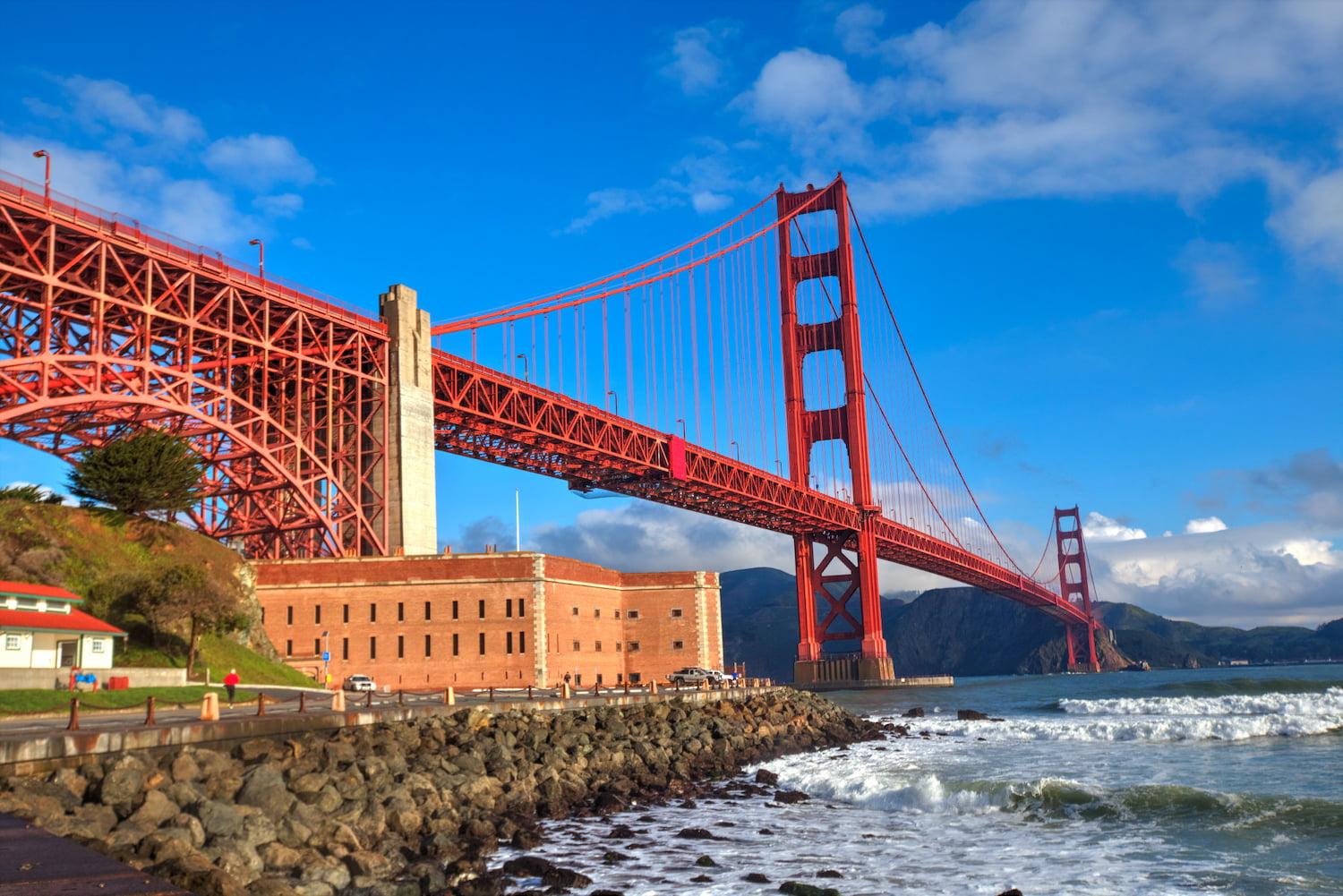
Golden Gate Bridge
A visit to this iconic landmark is one of the best things to do in San Francisco.

Getting to the Park
Learn about the free Presidio GO Shuttle, public transit, biking, and more.

History
Explore the origins of the Presidio and how it came to be.
More Than A Park
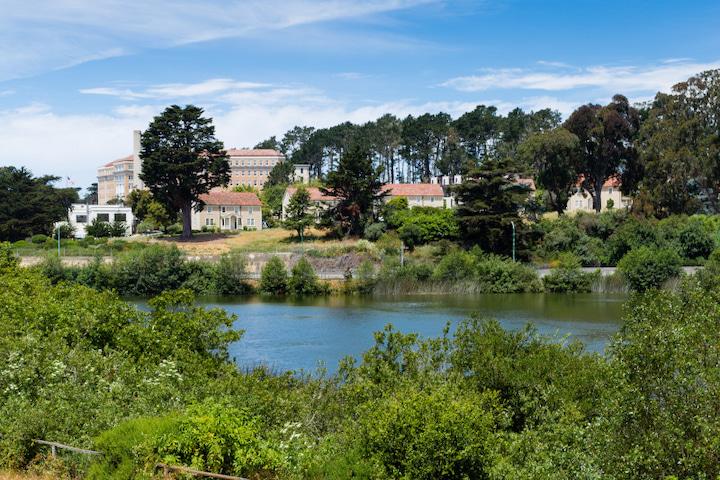
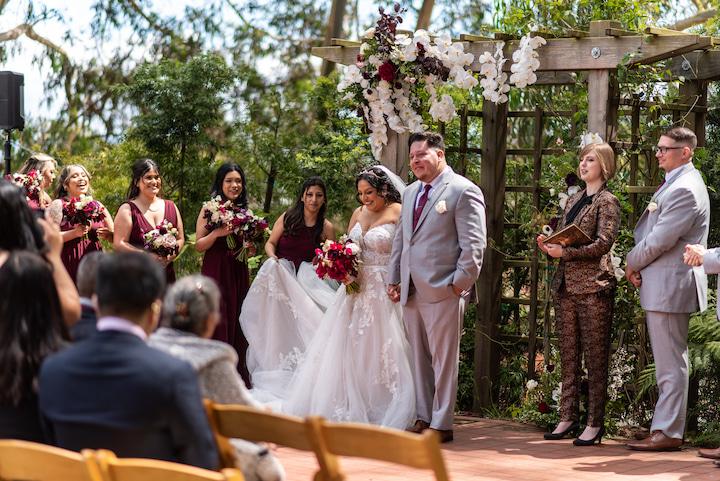
Imagine living, working, or hosting your special event in a national park site, surrounded by nature and beauty.

Presidio Forward
Funded by a landmark investment, over the next few years we’ll complete long planned and urgently needed improvements to the park’s infrastructure, open spaces, and historic buildings. We call this work Presidio Forward.

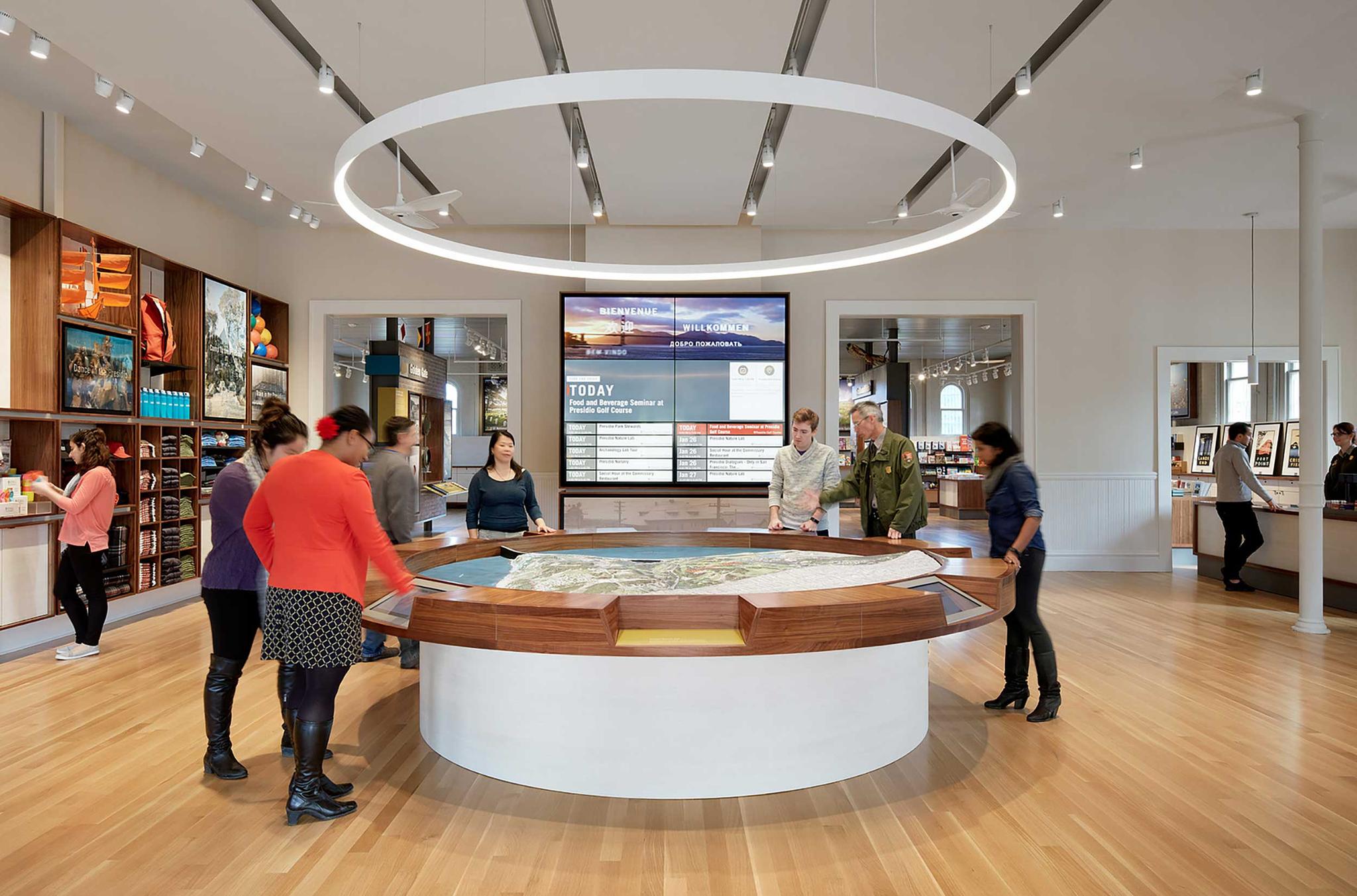
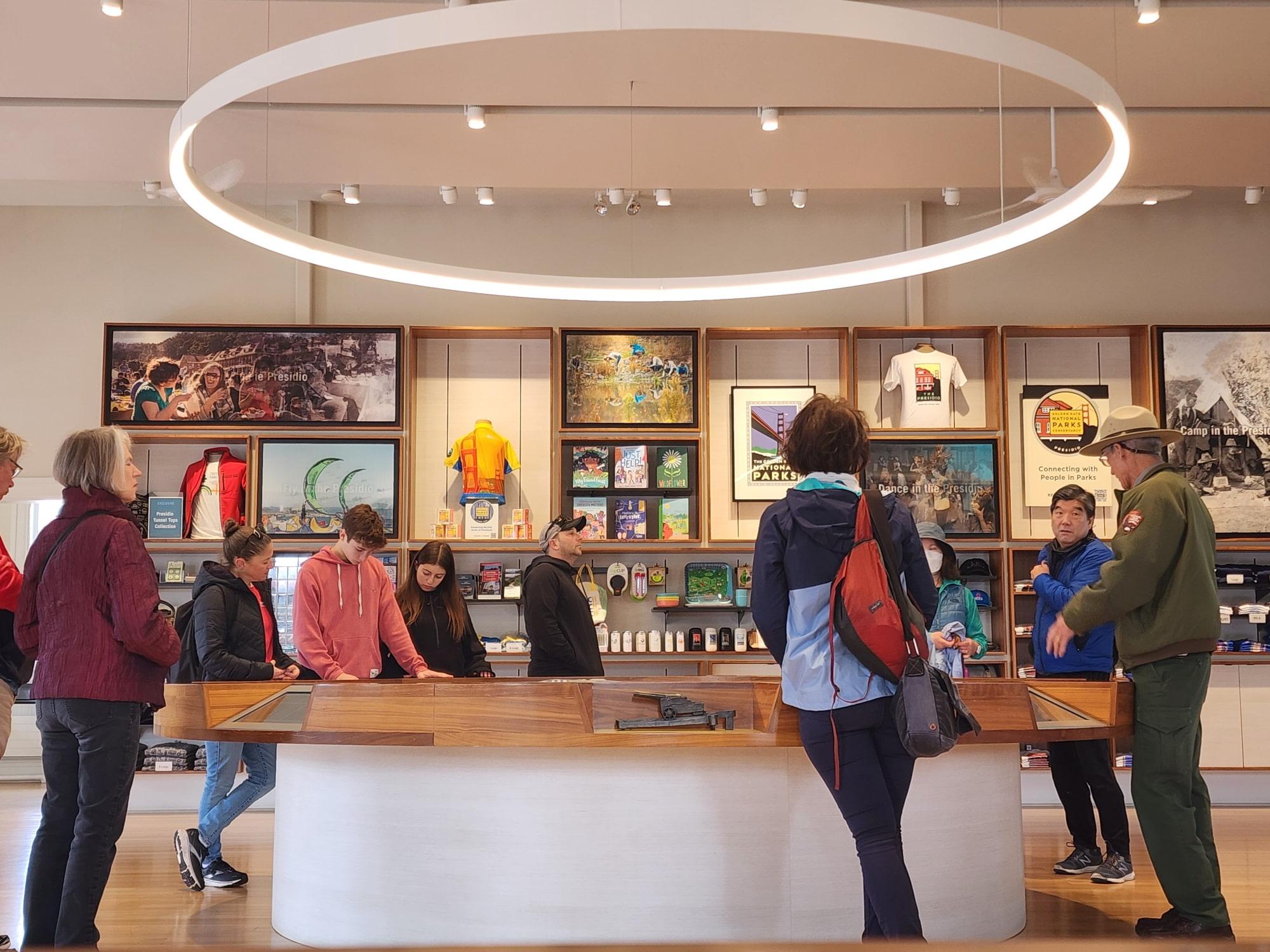
Start Your Day at the Presidio Visitor Center
Drop in to get ideas for your visit from a ranger, grab a map, and begin your own adventure.

EVENTS FOR ALL
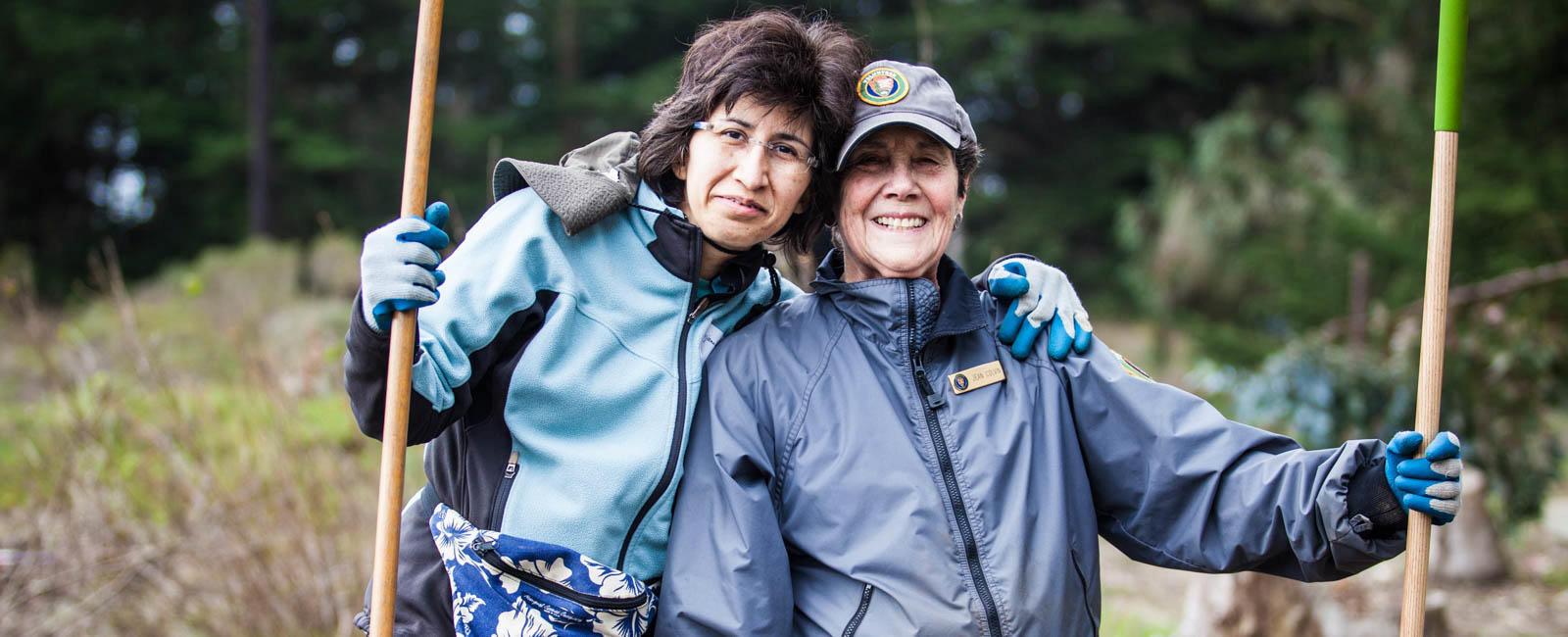
Come to an outdoor concert, listen to a park ranger's campfire talk, or volunteer.
Event Calendar

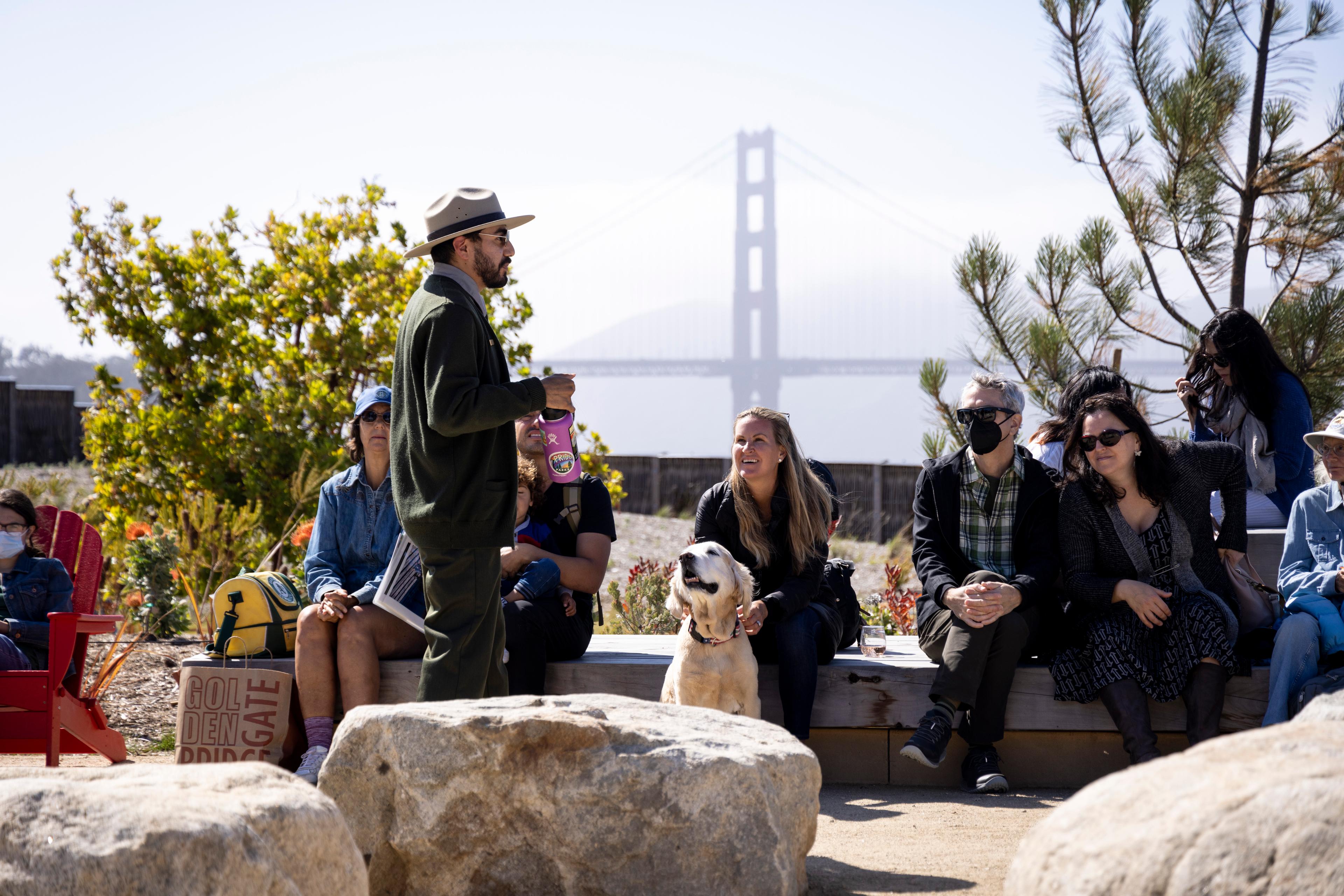
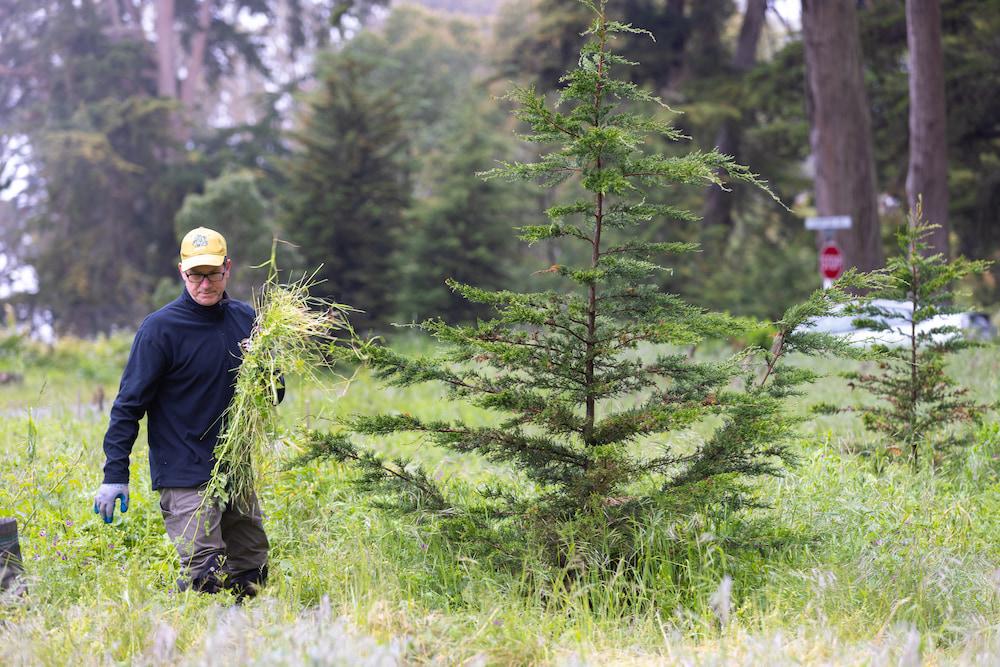

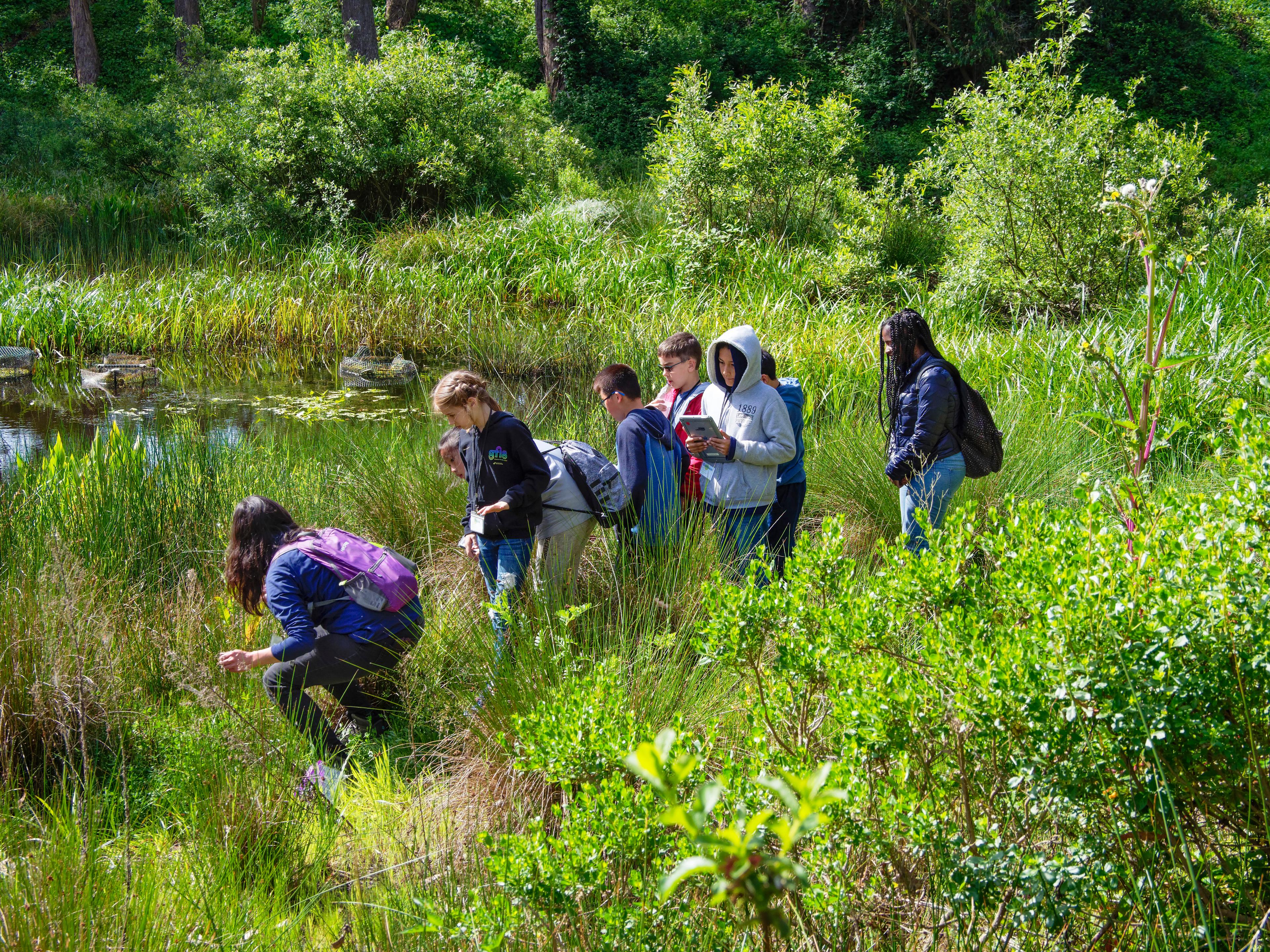
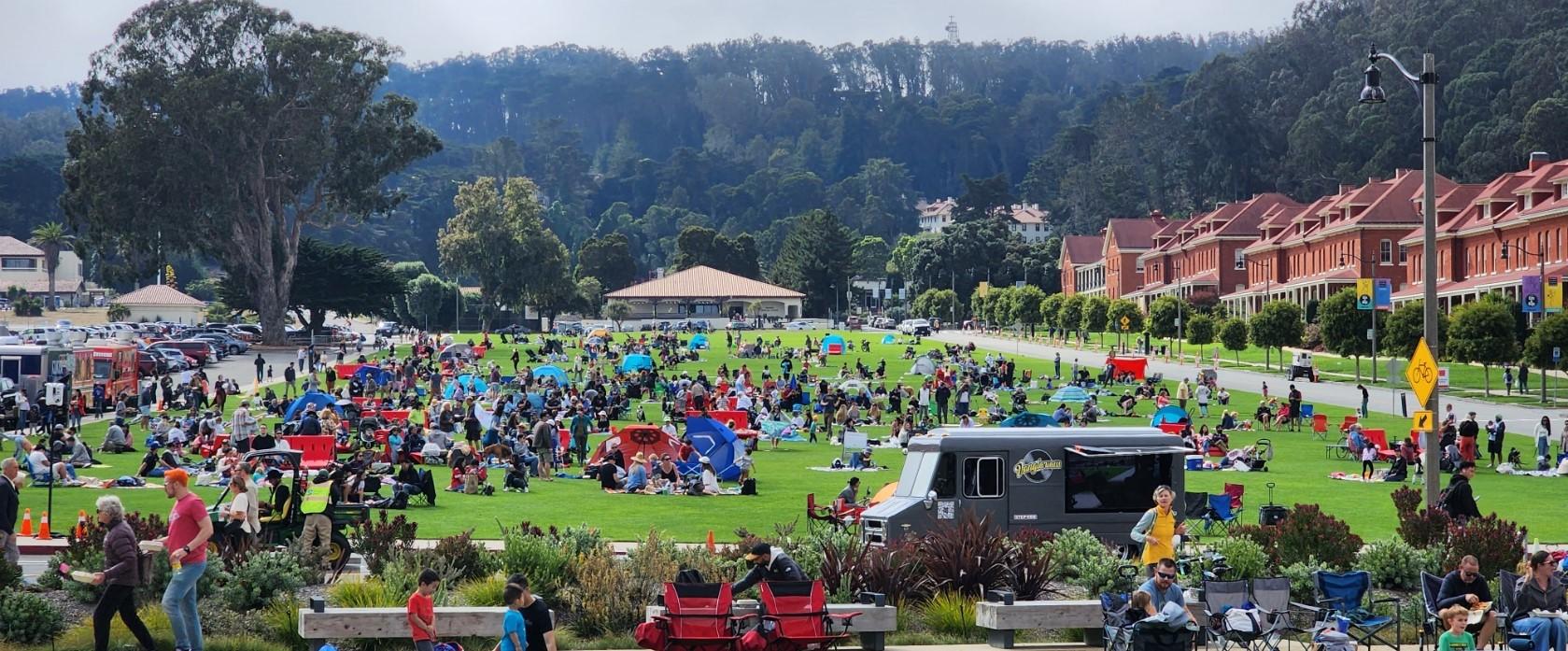
The Presidio of San Francisco is a national park site and a National Historic Landmark District that shares history, nature, beauty, and wonder with everyone who visits. The Presidio Trust, the National Park Service, and the Golden Gate National Parks Conservancy work together to steward this remarkable place.